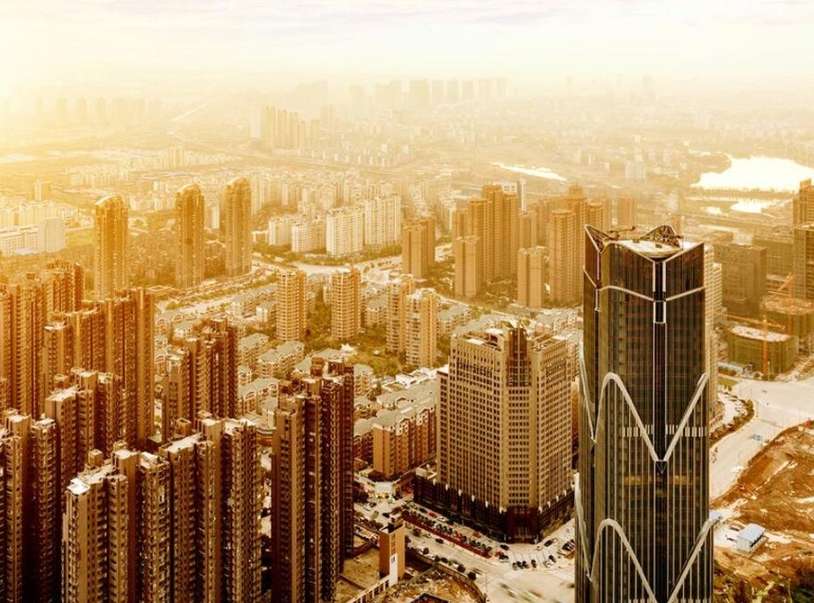
I remember sitting in a client meeting back in the late 2000s, just before everything went sideways. The charts were beautiful—steep, upward lines for GDP, corporate profits, and asset prices. "The fundamentals are strong," everyone kept saying. The growth felt unstoppable, and that very feeling, that pervasive sense of stability, was the most dangerous signal of all. It's a lesson that's stuck with me: the relationship between economic growth and stability isn't a simple cause-and-effect. It's a dynamic, often contradictory dance where one can both create and destroy the other.
Conventional wisdom tells us growth is good, and more growth equals more stability. It's a comforting narrative. But spend enough time watching real economies cycle through booms and busts, and you start to see the cracks in that logic. Rapid growth can mask profound instabilities—soaring debt, asset bubbles, social inequality—that eventually demand a painful reckoning. Conversely, a period of slower, more measured growth can lay a foundation of resilience that sees an economy through global shocks.
So, let's move beyond the textbook platitudes. Let's dig into the messy, real-world mechanics of how growth and stability interact, when they support each other, and when they're fundamentally at odds. This isn't just academic; it's crucial for anyone trying to make sense of market risks, policy debates, or their own financial future.
What You'll Discover
How Economic Growth Actually Builds Stability (When Done Right)
Let's start with the positive side of the ledger. Growth, when it's broad-based and sustainable, is the single best tool for creating a stable economic environment. It's not magic; it's mechanics.
First, growth generates government revenue without raising tax rates. This gives policymakers room to maneuver. They can build social safety nets, invest in public infrastructure, and shore up national defenses—all buffers against instability. A shrinking economy forces brutal choices; a growing one provides options. I've seen countries with modest growth but smart fiscal management weather external shocks far better than faster-growing, spendthrift neighbors.
Second, it creates jobs and raises incomes. This is stability at the household level. When people have steady work and see their prospects improving, social unrest diminishes. They can service their debts, invest in their families, and contribute to a virtuous cycle of consumption and investment. Political stability often follows economic optimism. The post-World War II boom in many Western nations is the classic example, where growth fostered a long period of social and political cohesion.
Third, growth builds confidence. This is the intangible yet critical element. Businesses are more likely to invest in new factories and equipment when they believe the future market will be larger. Consumers are more likely to make big purchases. This confidence becomes a self-reinforcing stabilizer. The economy develops momentum that can carry it through minor bumps.
The Dark Side: How Economic Growth Can Undermine Stability
Now for the part most cheerleaders ignore. Growth, especially when it's rapid and poorly managed, can be a potent destabilizing force. This is where my experience from the 2008 crisis really informs my thinking.
Growth Fuels Complacency and Risk-Taking. In a hot economy, bad practices get rewarded. Banks loosen lending standards because "everyone's credit is improving." Investors chase ever-riskier assets because the good times seem perpetual. Corporate governance can slacken. I recall analyzing mortgage-backed securities in 2006; the underlying loans were terrible, but the relentless growth in housing prices made everyone dismiss the risk. Growth became a narcotic that dulled the sense of danger.
It Can Exacerbate Inequality. Not all growth is equal. Asset-heavy growth (like a stock or real estate boom) disproportionately benefits those who already own assets. Wage growth often lags behind productivity gains. This widening gap isn't just a social justice issue; it's a stability risk. It leads to political polarization, erodes the consumer base (as more income goes to those with a lower propensity to spend), and can trigger a backlash against the economic system itself. You can have impressive GDP numbers alongside a deeply unstable society.
It Strains Resources and Creates Bottlenecks. Unsustainably fast growth can overheat an economy. Demand outpaces supply, leading to inflation. Infrastructure crumbles under the strain. Skilled labor becomes scarce, pushing wages up in a way that isn't linked to productivity. Central banks are then forced to slam on the brakes with higher interest rates, often triggering the very recession they hoped to avoid. It's a boom-and-bust cycle engineered by the boom itself.
Look at the table below. It contrasts the characteristics of growth that leads to stability versus growth that sows the seeds of instability.
| Feature | Growth That Builds Stability | Growth That Undermines Stability |
|---|---|---|
| Source | Productivity gains, innovation, broad-based investment. | Excessive credit expansion, asset price bubbles, speculative frenzy. |
| Distribution | Relatively even across income groups and sectors. | Highly concentrated, benefiting capital over labor, finance over manufacturing. |
| Inflation | Moderate and manageable, tracking close to central bank targets. | Rising sharply, especially in assets (housing, stocks) and key commodities. |
| Debt Levels | Corporate and household debt grow in line with or slower than income. | Debt surges far faster than income, creating fragility. |
| Policy Environment | Prudent fiscal policy, proactive regulatory oversight. | Lax regulation, pro-cyclical fiscal spending (spending more in booms). |
| Long-Term Result | Resilience to external shocks, sustainable development path. | Increased vulnerability, higher probability of a severe financial crisis. |
Key Factors That Determine the Growth-Stability Balance
So, what tips the scale? Why does growth stabilize some economies and destabilize others? Based on cross-country studies from institutions like the IMF and my own analysis, a few factors are decisive.
1. The Quality of Institutions
This is the big one. Strong, independent institutions—a competent central bank, an effective judiciary, a credible financial regulator—act as shock absorbers. They can rein in excessive risk during booms and provide credible support during downturns. Growth under weak institutions tends to be predatory and volatile.
2. The Structure of the Financial System
Is the banking system well-capitalized and focused on lending to the productive economy? Or is it leveraged and hooked on speculative trading? The 2008 crisis was a brutal lesson in how financial sector growth divorced from the real economy can destroy stability.
3. The Diversification of the Economy
An economy reliant on a single commodity (oil) or a single industry (tourism) is a stability gamble, no matter how fast it grows. A diversified economy with multiple competitive sectors is far more resilient to shocks. Growth is spread out, and a crash in one area doesn't tank the whole system.
I often think of this as the "portfolio theory" of national economies. You wouldn't put all your money in one stock for stability, so why would a country bet everything on one sector for growth?
Practical Strategies for Pursuing Stable Growth
For policymakers and investors, the goal isn't growth or stability. It's stable growth. Here’s what that approach looks like on the ground, stripped of political slogans.
- Target Potential Growth, Not Max Growth. The sustainable speed limit of an economy (its potential growth rate) is determined by labor force growth and productivity. Trying to push growth far above this rate through stimulus invariably leads to inflation and instability. It's better to use policy to gently raise the potential rate itself through education and infrastructure.
- Adopt Counter-Cyical Macroprudential Tools. This is jargon for a simple idea: tighten the rules when things get too hot. This means raising bank capital requirements or tightening mortgage lending standards during a credit boom. It's politically hard because it cools the party, but it prevents a much bigger hangover.
- Focus on Inclusiveness as a Stability Metric. Track not just GDP, but median income growth, wealth gaps, and geographic disparities. Policies that address these—like targeted retraining programs or place-based investment—aren't just social spending; they're direct investments in long-term economic stability by broadening the base of prosperity.
One country that often gets this balance wrong in the pursuit of headlines is my own, at times. The push for quarterly GDP beats can lead to short-term policy choices—like tax cuts during an expansion—that fuel inequality and deficit spending, storing up instability for the future.
Your Questions on Growth and Stability Answered
If growth is so unstable, should we aim for zero growth to be safe?
As an investor, what's the biggest red flag that growth is becoming unstable?
Can technology-led growth be more stable than growth from, say, a construction boom?
How can I tell if my country's current stability is real or just a debt-fueled mirage?
The takeaway is this: economic growth and stability are not a married couple always moving in sync. They're more like dance partners, sometimes in step, sometimes pulling in opposite directions. The most successful economies are those that understand the music—the underlying rhythms of debt, productivity, and institutions—and guide the partnership, never letting growth lead so forcefully that stability stumbles and falls.
Ignoring this complexity is how crises are born. Respecting it is how lasting prosperity is built.